Future Skills Framework
Children are growing up in a world shaped by rapid technological change, AI and uncertainty, where success depends as much on curiosity, creativity and adaptability as it does on knowledge.
The Future Skills Framework (FSF) is a research-backed whole school approach designed to prepare learners not just for the next stage of education, but for the future they will inherit.
Crucially, FSF is not just a set of pupil-facing resources or lesson plans. It is also a professional learning framework designed to support and develop teachers’ practice.
By making space for creativity, inquiry and independence, FSF gives schools a practical, structured way to develop the 7 Cs - the human skills and dispositions that children need to thrive.
Rooted in pedagogy, built for reality
- Curious (Inquiry-led)
Nurture a 'let’s find out' stance by turning children's questions into active exploration. - Many-ways (Multi-modal)
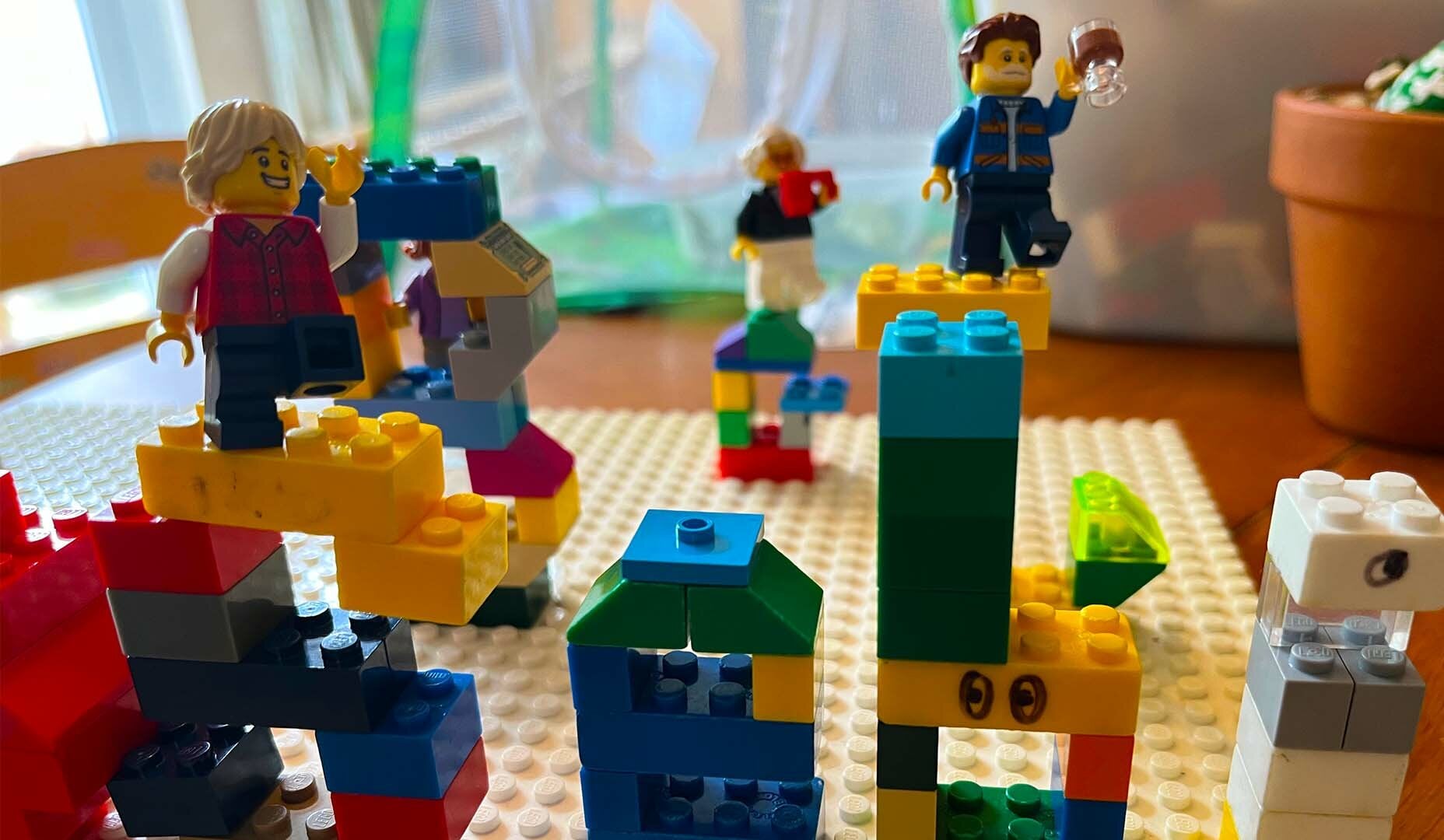
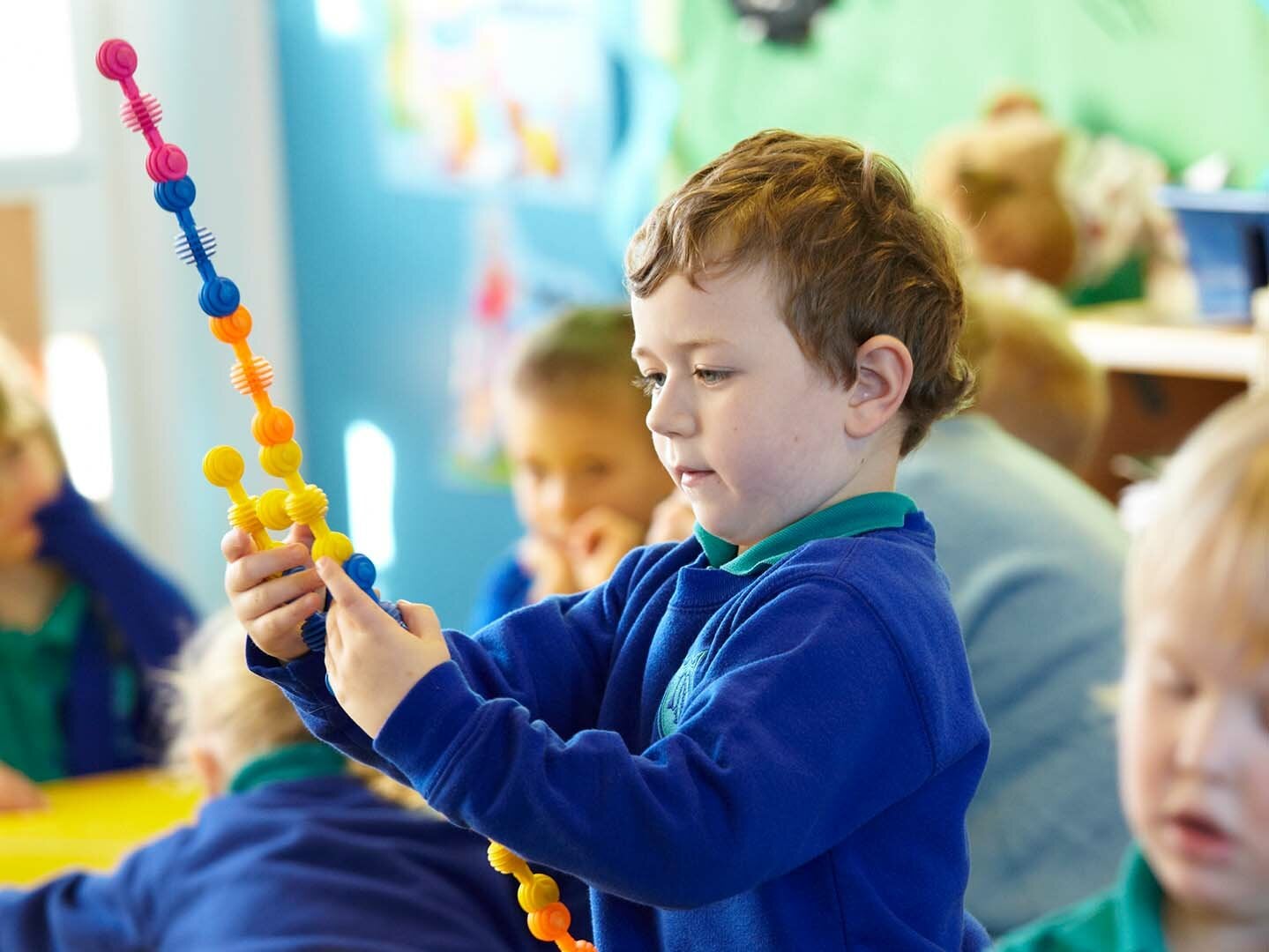
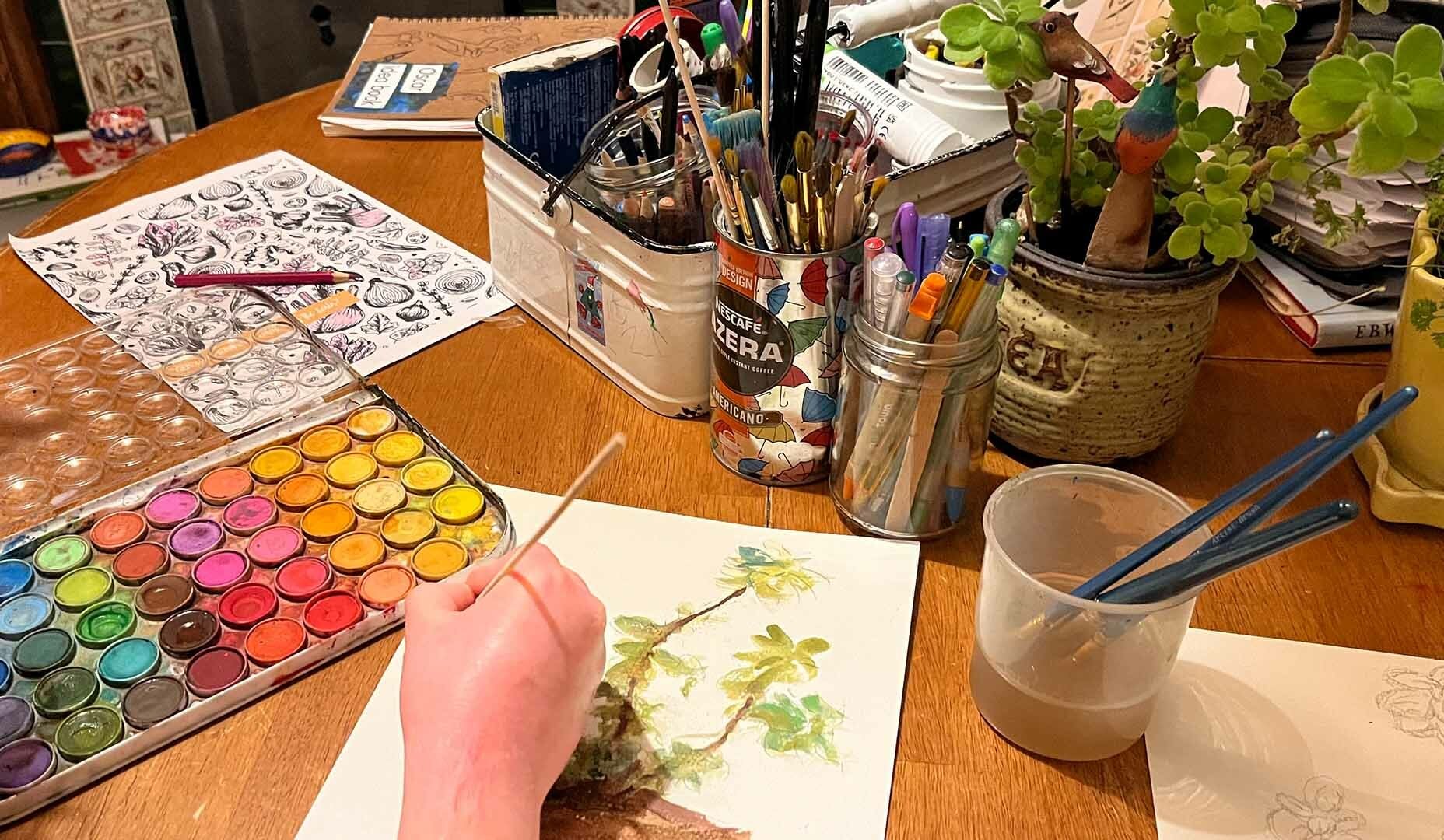
Provide diverse ways to learn - imagining, making, doing, and improving - to include every thinker. - Sharing (Dialogic)
Design activities for multi-form expression while modelling how to value the ideas of others. - Thinking (Reflective)
Build structured time for children to notice their own thinking and understand their learning strategies.
- Linking (Connected)
Make cross-subject connections visible so children see how ideas fit together and why they matter. - Choosing (Choice-rich)
Empower children through meaningful choices that allow them to take responsibility for their learning. - Brave (Safe to take risks)
Celebrate mistakes as a normal part of the process to encourage bold iteration and growth.

Why it matters (The research)
At a time when information is increasingly automated, instantly accessible and often unreliable, the skills that matter most are human ones: asking good questions, generating ideas, working with others, adapting, empathising and thinking critically. Research shows that prioritising these skills leads to:
- Improved attainment - deepens understanding and the ability to apply knowledge in new contexts, aligning with the updated Ofsted 2025 framework.
- Enhanced wellbeing - supports emotional regulation and builds resilience.
- Better attendance and behaviour - motivated, curious learners want to be in school, resulting in calmer classrooms and reduced disruption.
Creative thinking develops through:
- Early and frequent exposure to imaginative and open-ended activities. [link.springer.com]
- Supportive environments that encourage exploration, experimentation, and expression. [americanspcc.org]
- Structured interventions that teach creative skills (fluency, originality, elaboration). [link.springer.com]
- Emotional safety and wellbeing, which allow cognitive risk-taking. [ncch.org.uk]
- High-quality arts participation that enhances cognitive flexibility and executive function. [iosrjournals.org]
- Long-term engagement that builds confidence, social skills, and creativity-relevant behaviours.